
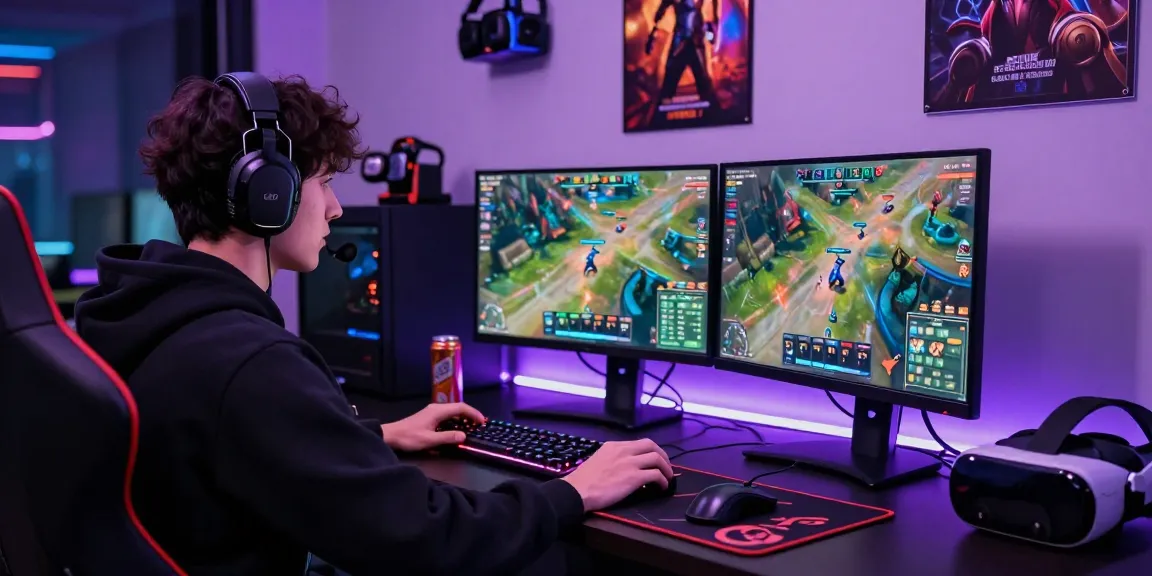
Understanding the Esports Landscape in 2026
The esports industry has undergone a remarkable transformation over the past few years, establishing itself as a major force in the global entertainment sector. By 2026, the landscape is anticipated to evolve further, driven by technological advancements, shifting viewer preferences, and a burgeoning competitive scene. Understanding these dynamics is crucial for players, teams, and investors looking to capitalize on esports’ immense potential. In this context, ok8386.guide serves as an informative resource for exploring the latest developments and strategies within the esports arena.
Current Trends and Developments in Esports
As we enter 2026, several key trends are shaping the esports landscape. The increasing integration of artificial intelligence and machine learning for game strategy analysis is revolutionizing how teams prepare and compete. Moreover, the rise of mobile esports is making competitive gaming more accessible, enabling a broader audience to engage with esports titles anywhere, anytime. Additionally, game developers are actively supporting esports ecosystems, providing resources and infrastructure that help foster competitive environments.
The Role of Streaming Platforms and Community Engagement
Streaming platforms, such as Twitch and YouTube Gaming, play a vital role in esports by connecting players with fans. These platforms have evolved into community hubs, where interaction goes beyond just viewing events. Streamers often engage their audiences through commentary, tutorials, and live interactions, cultivating a sense of belonging among viewers. This engagement is pivotal as it drives viewership numbers and solidifies loyal fan bases, which are crucial for brand partnerships and sponsorships.
Emerging Technologies Shaping the Future
Technological innovations are continuously reshaping the esports arena. Virtual reality (VR) and augmented reality (AR) are poised to enhance the spectator experience, offering immersive viewing options that could redefine how fans interact with live events. Furthermore, blockchain technology is providing new possibilities for in-game economics and decentralized ownership models, changing how players and organizations monetize their efforts. Embracing these technologies will be essential for anyone looking to thrive in the evolving esports ecosystem.
Building a Winning Team
Creating a successful esports team requires more than just assembling skilled players; it necessitates a structured approach that encompasses various roles, responsibilities, and team culture. As the industry grows, understanding how to build a cohesive and effective team will be integral to achieving success.
Key Roles and Responsibilities in Esports Teams
Every esports team is composed of several roles, each with its distinct responsibilities. While players are obviously the forefront representatives of the team, supporting roles play a crucial part. These include coaches who devise strategies, analysts who evaluate performance data, and managers who handle logistics and finances. Understanding these dynamics helps in establishing clear expectations and enhancing the team’s overall performance.
Recruitment Strategies for Top Talent
Identifying and securing top talent is a significant challenge in the competitive esports landscape. Teams should prioritize scouting players who not only possess technical skills but also demonstrate strong teamwork and communication abilities. Utilizing platforms like LeetCode for technical evaluations can provide insights into potential recruits’ gaming capabilities. Creating a robust trial process that assesses both skill and fit within the team culture is essential for long-term success.
Creating a Positive Team Culture
Culture within an esports team can greatly affect performance. Establishing a positive environment fosters collaboration and encourages players to express themselves. Encouraging open communication, investing in player well-being, and celebrating achievements—both big and small—contributes to a motivated and united team, which is paramount when facing fierce competition.
Strategies for Competing at the Highest Level
To compete at the highest levels of esports, players and teams must adopt advanced strategies and analytics. As competition becomes fiercer, differentiation through tactical innovation is required.
Advanced Gameplay Techniques
Mastering gameplay involves continuously refining skills and experimenting with new techniques. Advanced strategies may include situational awareness, map control, and team synergy, which are critical during high-pressure scenarios. Players should focus on practice regimens that emphasize these techniques while frequently reviewing gameplay footage to identify areas for improvement.
Analyzing Opponents and Counter Strategies
Understanding opponent strategies is a vital component of competitive play. By analyzing previous matches and scouting reports, teams can develop counter-strategies to exploit opponents’ weaknesses. This intelligence-gathering process allows teams to enter matches with a tactical advantage, which can be pivotal in high-stakes tournaments.
Utilizing Data and Analytics for Performance Improvement
Data analytics is transforming how teams evaluate performance. Utilizing metrics to assess player effectiveness, game choices, and overall performance can lead to data-driven decisions that enhance strategies. Implementing data analysis tools enables teams to gain insights that contribute to more informed tactics and improved competitive outcomes.
Marketing and Brand Development in Esports
As the esports industry expands, establishing a strong brand identity is essential for players and teams looking to capitalize on market opportunities. Marketing efforts must align with the unique culture and community within esports to resonate effectively with fans.
Building Your Brand as a Player or Team
Players and teams should focus on branding themselves through consistent messaging and engagement tactics. This includes curating a social media presence that reflects personal or team values, showcasing highlights, and engaging with followers. A well-defined brand can attract sponsors and enhance marketability in a crowded field.
Engaging Fans and Creating Loyalty
Fan engagement is a dynamic process that involves creating compelling content, hosting events, and encouraging community interaction. Teams should leverage interactive experiences, such as fan Q&A sessions or community tournaments, to foster loyalty and deepen relationships. This emotional connection will enhance fan retention and support during competitions.
Sponsorship and Partnership Opportunities
With the growing visibility of esports, brands are increasingly seeking partnerships within the industry. Identifying potential sponsors that align with team values and audience demographics is critical for securing mutually beneficial agreements. Furthermore, demonstrating a team’s reach and engagement metrics can significantly enhance negotiation leverage with potential sponsors.
Future Predictions for Esports Beyond 2026
Looking ahead, the esports industry shows no signs of slowing down. New opportunities are emerging that could shape the trajectory of competitive gaming in the years to come.
Potential Growth Areas in the Industry
As esports gains mainstream recognition, various growth areas are likely to emerge. This includes increased investment in grassroots initiatives, expanding college esports programs, and the integration of competitive gaming into traditional sports events. These developments will provide a larger platform for emerging talent and broaden the audience base.
The Impact of VR and AR on Competitive Gaming
The implementation of VR and AR technologies in esports will redefine how games are experienced. These immersive technologies promise to enhance player and viewer engagement, allowing for a more interactive experience during competitions. Developing VR-specific titles could create entirely new competitive landscapes and attract different demographics.
Shifts in Viewer Behavior and Engagement
As younger generations begin to dominate the viewer market, preferences around content consumption are evolving. Streamers, short-form content, and on-demand viewing will increasingly dictate how audiences engage with esports. Teams and organizations must adapt their broadcast strategies to meet these changes, ensuring they remain relevant in a shifting landscape.
What are the essential skills for aspiring esports players?
Aspiring esports players must develop a diverse skill set, including technical gaming proficiency, communication, strategic thinking, and resilience. Regular practice, combined with mental conditioning and teamwork exercises, will aid in honing these skills effectively.
How to effectively market a new esports team?
Marketing a new esports team involves creating a distinctive brand identity, utilizing social media platforms, engaging in community events, and forming partnerships with established brands. Consistency and authenticity in messaging will be key elements in building recognition.
What role does strategy play in esports competitions?
Strategy is a cornerstone of success in esports competitions. Teams must develop game plans that include all aspects: offense, defense, and adaptability to opponents’ strategies. Regular analysis of gameplay and refinement of strategies based on analytics can provide a competitive edge.
How important is community engagement in esports?
Community engagement is essential for sustaining a fan base. By participating in and supporting community events, teams can foster loyalty and establish deeper connections with their audiences, which is invaluable in the highly competitive esports market.
What are the best practices for building a brand in esports?
Best practices for building a brand in esports include maintaining a consistent online presence, engaging authentically with followers, producing quality content, and leveraging partnerships. For more information, https://ok8386.guide/ offers valuable insights. Highlighting unique characteristics and values will help teams differentiate themselves in a crowded market.